Why Concrete Sinks
Understanding the Real Causes Behind Uneven Concrete
If your driveway, sidewalk, patio, garage floor, pool deck, or walkway is starting to sink, crack, or become uneven, the concrete itself may not be the real problem.
In many cases, concrete sinks because the ground underneath it has changed.
Concrete slabs rely on stable, compacted soil for support. When the soil below the slab washes out, settles, shrinks, shifts, or loses strength, the concrete above it can begin to sink or tilt. Over time, this can create trip hazards, drainage problems, cracks, and uneven surfaces around your home or property.
The good news is that sinking concrete does not always need to be torn out and replaced. When the slab is still in usable condition, polyurethane concrete lifting can often raise, level, and stabilize the concrete by fixing the voids and weak support beneath it.
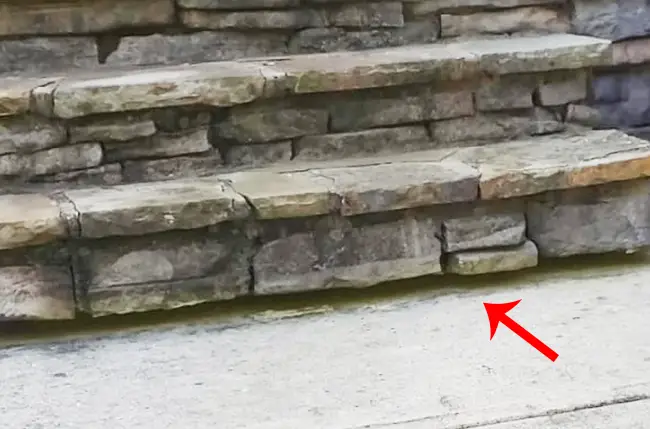
Concrete Usually Sinks Because the Soil Below It Changes
Many homeowners assume sinking concrete means the slab has failed. But most settlement problems start below the surface.
Concrete is heavy. A driveway, sidewalk, patio, or garage floor needs a strong base underneath it to stay level. If the soil below the slab becomes weak or uneven, the concrete loses support and begins to settle.
This can lead to common problems such as:
- Sunken driveways
- Uneven sidewalks and walkways
- Garage floor cracks
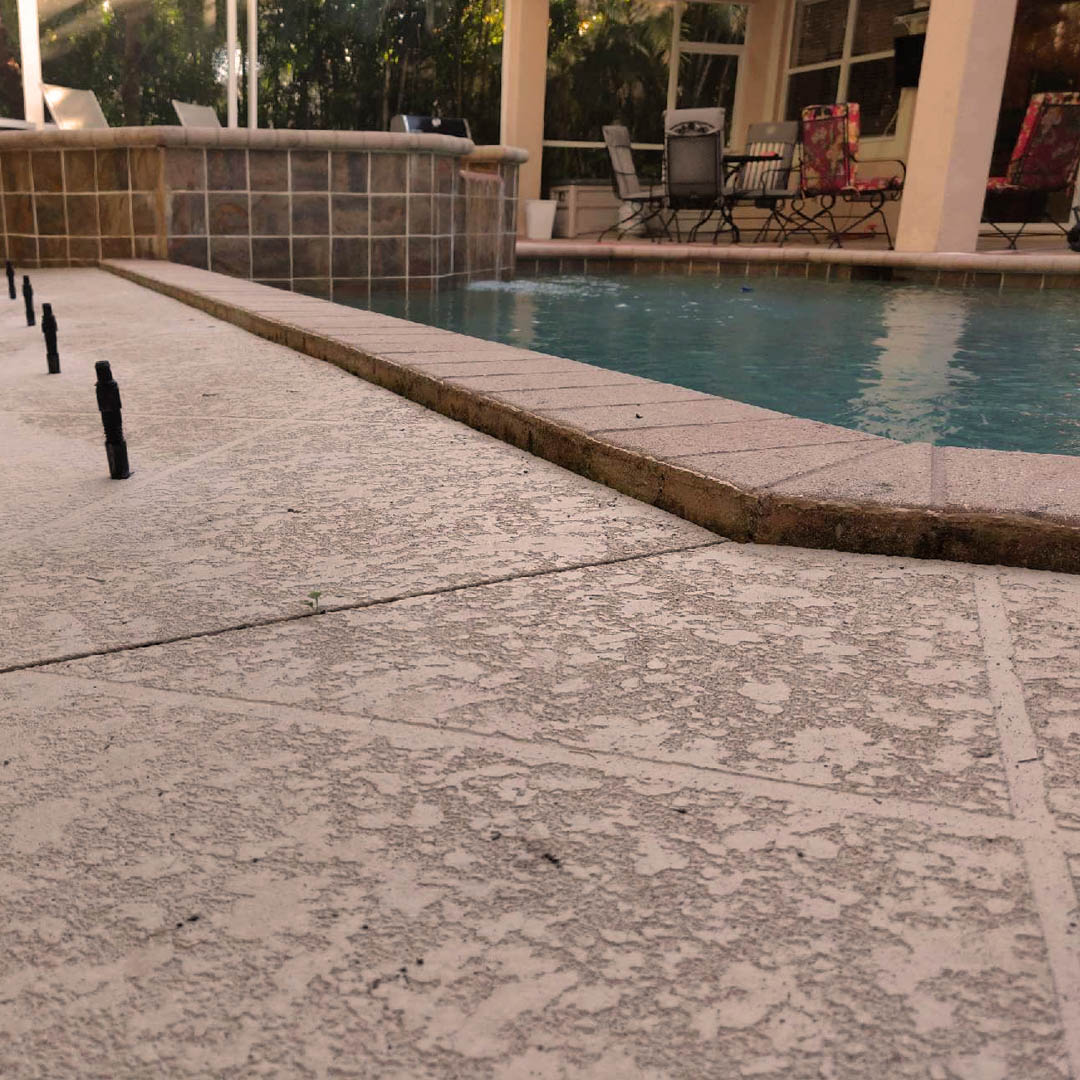
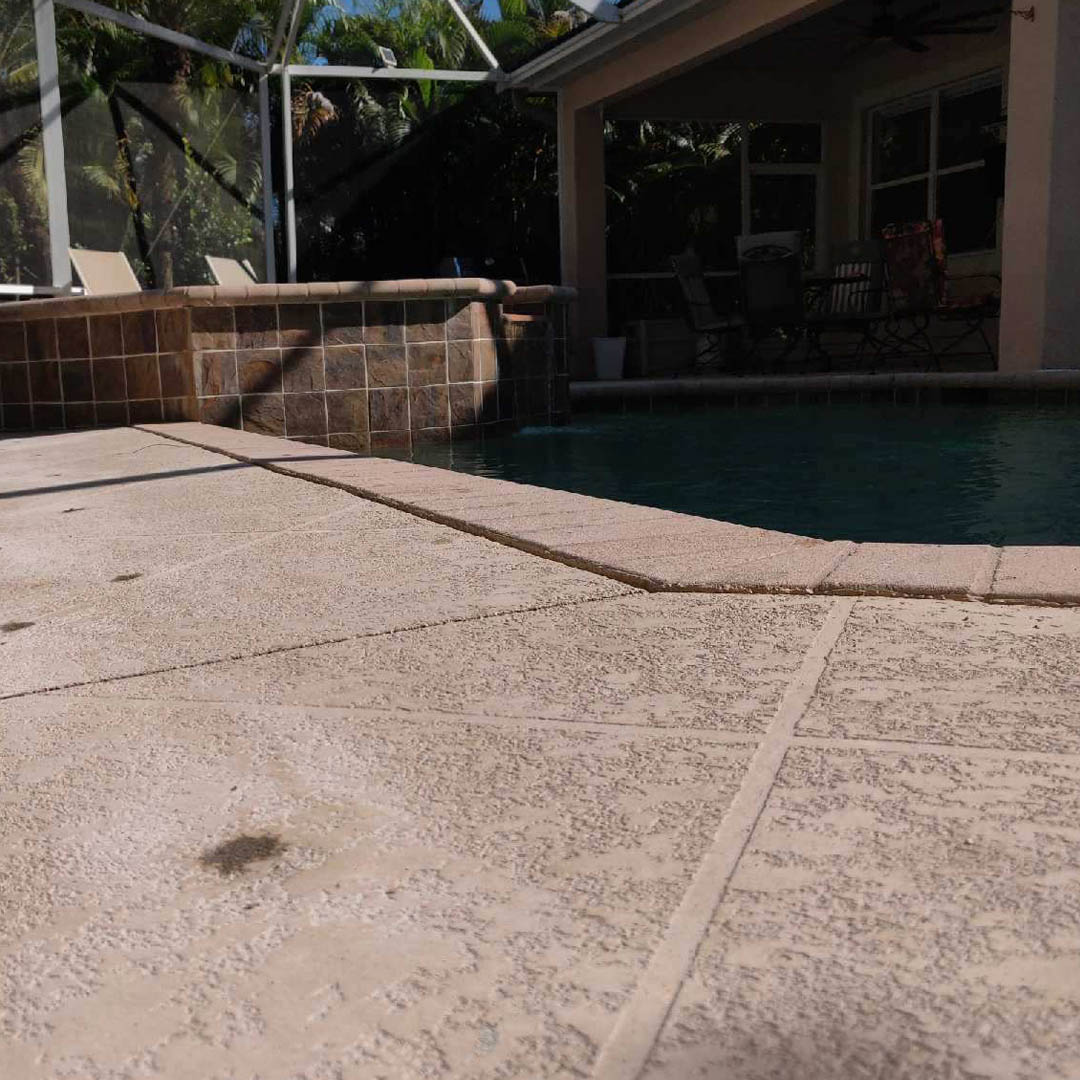
- Pool deck trip hazards
- Tilting patios and porches
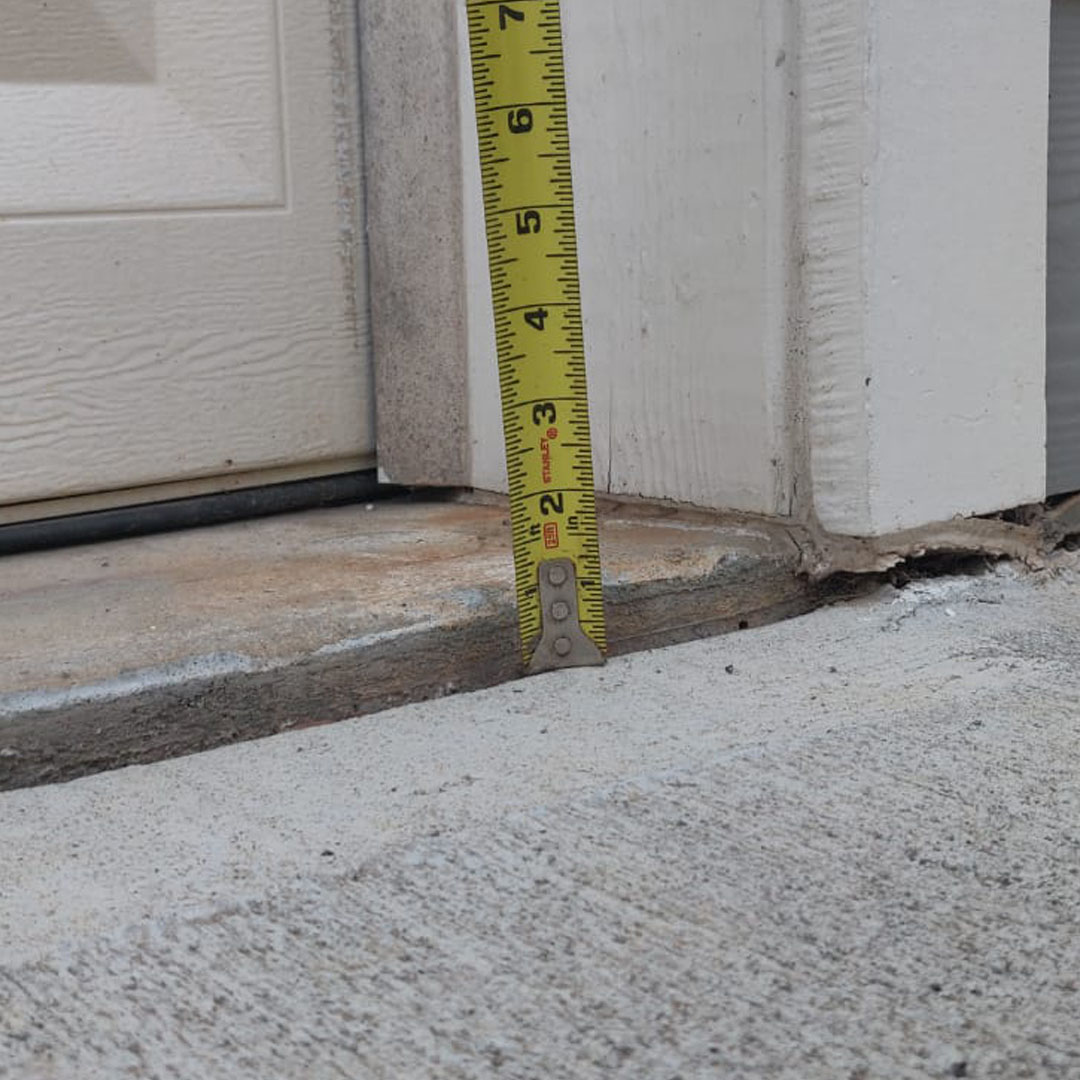
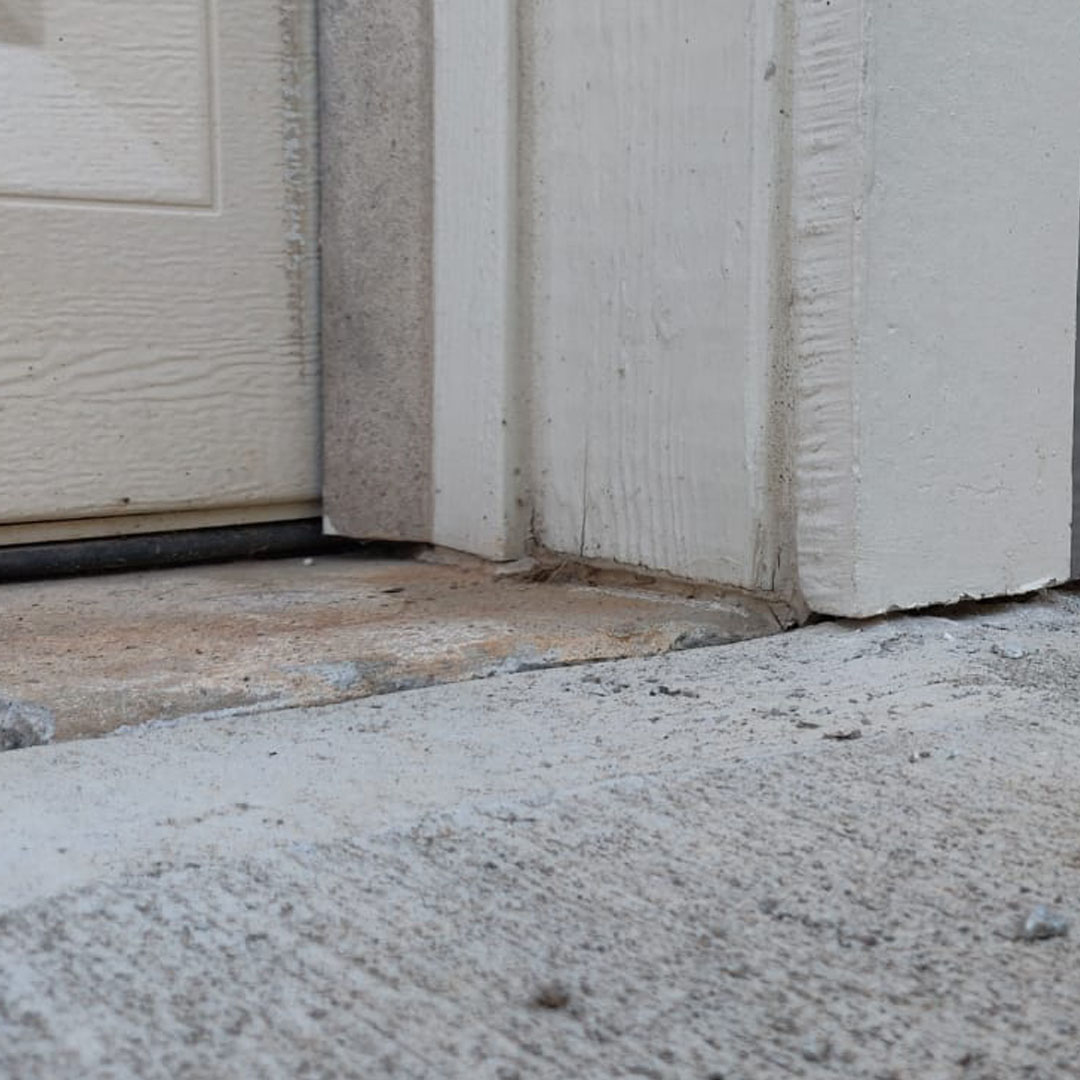
- Front step or stoop settlement
- Interior slab settlement
- Water pooling near concrete
- Gaps beneath slabs
Even a small amount of movement can get worse if the soil problem continues.
Schedule a Free Estimate
The Most Common Reasons Concrete Sinks
1. Poor Soil Compaction
Poor soil compaction is one of the most common causes of sinking concrete.
During construction, fill soil is often added around homes, driveways, sidewalks, patios, and other concrete areas. If that soil is not compacted properly, it can slowly compress under the weight of the concrete.
This often happens around:
- Newer homes and subdivisions
- Backfilled areas near foundations
- Utility trenches
- Home additions
- Driveways near garage aprons
- Patios, porches, and walkways
The settlement may happen slowly over several years, which is why many property owners do not notice the issue right away.
2. Water Washout and Erosion
Water is one of the biggest reasons soil beneath concrete becomes weak.
When water repeatedly moves under a slab, it can wash away soil and create empty spaces called voids. Once these voids form, the concrete no longer has even support. The slab may begin to crack, drop, tilt, or separate at the joints.
Common causes of water erosion include:
- Downspouts draining near concrete
- Poor yard drainage
- Gutter overflow
- Heavy rain
- Sprinkler systems
- Plumbing leaks
- Water flowing toward the slab instead of away from it
This is why sinking concrete is often found near driveways, sidewalk joints, pool decks, garage entrances, and foundation edges.
3. Expanding and Shrinking Soil
Some soils expand when wet and shrink when dry. This repeated movement can create instability under concrete slabs.
When the soil dries out, it can shrink and pull away from the slab. When moisture returns, the soil expands again. Because this movement does not always happen evenly, the concrete above it can shift, crack, or settle.
Over time, this wet-and-dry cycle can weaken the support system beneath the concrete.
4. Heavy Loads and Daily Use
Concrete surfaces handle a lot of weight over time.
Cars, trucks, RVs, delivery vehicles, dumpsters, equipment, and daily foot traffic all place pressure on the slab and the soil below it. If the base underneath the concrete is already weak, repeated weight can speed up settlement.
This is common in:
- Driveways
- Commercial parking lots
- Warehouse floors
- Loading areas
- Sidewalk crossings
- Dumpster pads
- Drive lanes
As the soil compresses, the slab can slowly sink until the problem becomes visible.
5. Weather and Seasonal Ground Movement
Changing weather can also affect the soil beneath concrete.
Heavy rain, long dry periods, temperature swings, and seasonal moisture changes can all cause the ground below a slab to move. In colder areas, freeze-thaw cycles can make the problem worse. Water gets into the soil, freezes, expands, and then shifts again as it thaws.
Over time, this movement can:
- Create voids below the slab
- Weaken soil support
- Cause cracks
- Push slabs unevenly
- Speed up concrete settlement
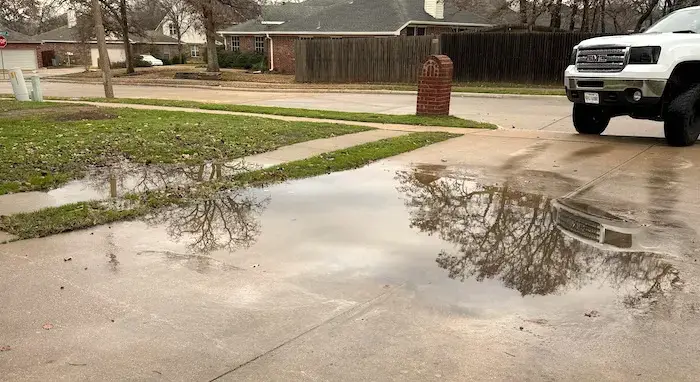
Signs Your Concrete Is Sinking
Sinking concrete can start small, but the warning signs often become easier to see over time.
Common signs include:
- Uneven concrete joints
- Trip hazards on sidewalks or walkways
- Cracks in the slab
- Water pooling after rain
- Sunken corners or edges
- Gaps beneath concrete
- Patios, porches, or pool decks sloping the wrong way
- Garage floors pulling away from walls
- Front steps or stoops separating from the home
- Driveways settling near the garage
If these problems are ignored, water can continue getting under the slab and make the settlement worse.
Why Replacing Concrete Is Not Always the Best Answer
Many homeowners think sinking concrete has to be removed and replaced. Sometimes replacement is needed, especially if the slab is badly broken or severely damaged.
But in many cases, the concrete is still strong enough to save.
The bigger problem is often the unstable soil or voids underneath the slab. If that issue is not corrected, new concrete may settle again over time.
That is why polyurethane concrete lifting is often a better repair option when the existing slab is still in good condition. It addresses the support problem below the concrete while lifting the slab back toward a safer, more even position.
How Polyurethane Concrete Lifting Helps Fix Sinking Concrete
Polyurethane concrete lifting uses expanding foam to raise and stabilize sunken concrete.
Small holes are drilled through the slab, and high-density polyurethane foam is injected beneath the concrete. As the foam expands, it fills voids, strengthens weak areas, and carefully lifts the slab.
This process can help:
- Raise sunken concrete
- Fill empty spaces beneath slabs
- Stabilize weak soil areas
- Reduce trip hazards
- Improve drainage and water flow
- Extend the life of existing concrete
- Avoid unnecessary demolition and replacement
Most concrete lifting projects are completed much faster than replacement, with less mess and minimal disruption.
Why Fixing Sinking Concrete Early Matters
Concrete settlement rarely fixes itself. Once the slab loses support, the problem often grows as water, soil movement, and daily use continue.
Waiting too long can lead to:
- Larger trip hazards
- More cracking and slab separation
- Drainage problems near the home
- More soil washout under the slab
- Higher repair costs
- Possible replacement instead of repair
- Safety concerns for family, visitors, customers, or tenants
Addressing sinking concrete early is usually easier and more affordable than waiting until the slab becomes too damaged to lift.
Every Concrete Settlement Problem Is Different
No two sinking concrete problems are exactly the same. The cause may involve poor compaction, erosion, soil movement, drainage problems, heavy loads, weather exposure, or the age of the slab.
That is why a professional evaluation is important.
Finding the real cause of the settlement helps determine whether concrete lifting, soil stabilization, void filling, or full replacement is the best option for the property.
Get Help With Sinking or Uneven Concrete
Concrete sinks because the support underneath it changes over time. Poor soil compaction, water erosion, soil movement, heavy loads, and weather can all cause slabs to lose support and settle.
The important thing to know is that sinking concrete does not always mean replacement is required.
Polyurethane concrete lifting can often restore uneven concrete quickly, cleanly, and cost-effectively while filling voids and stabilizing weak areas beneath the slab.
If your driveway, sidewalk, patio, pool deck, garage floor, or walkway is sinking, Poly Lift USA can inspect the problem and recommend the right repair solution.
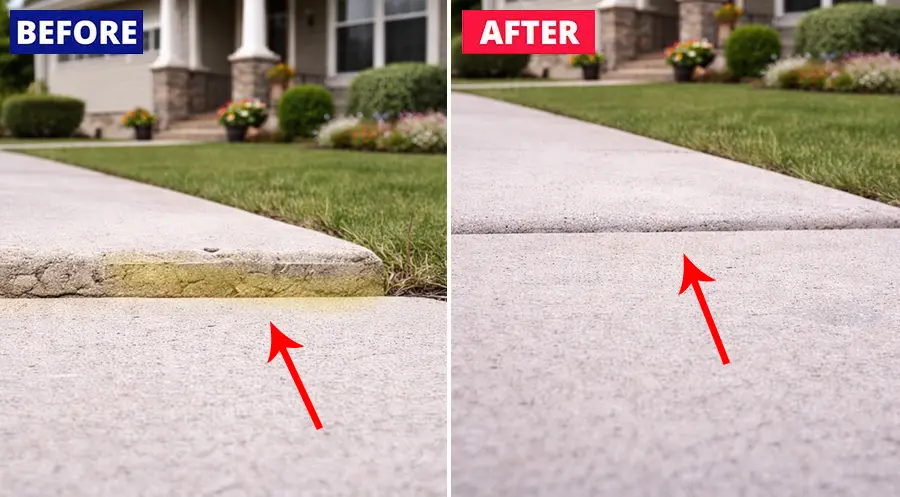
How It Works
Before & Afters

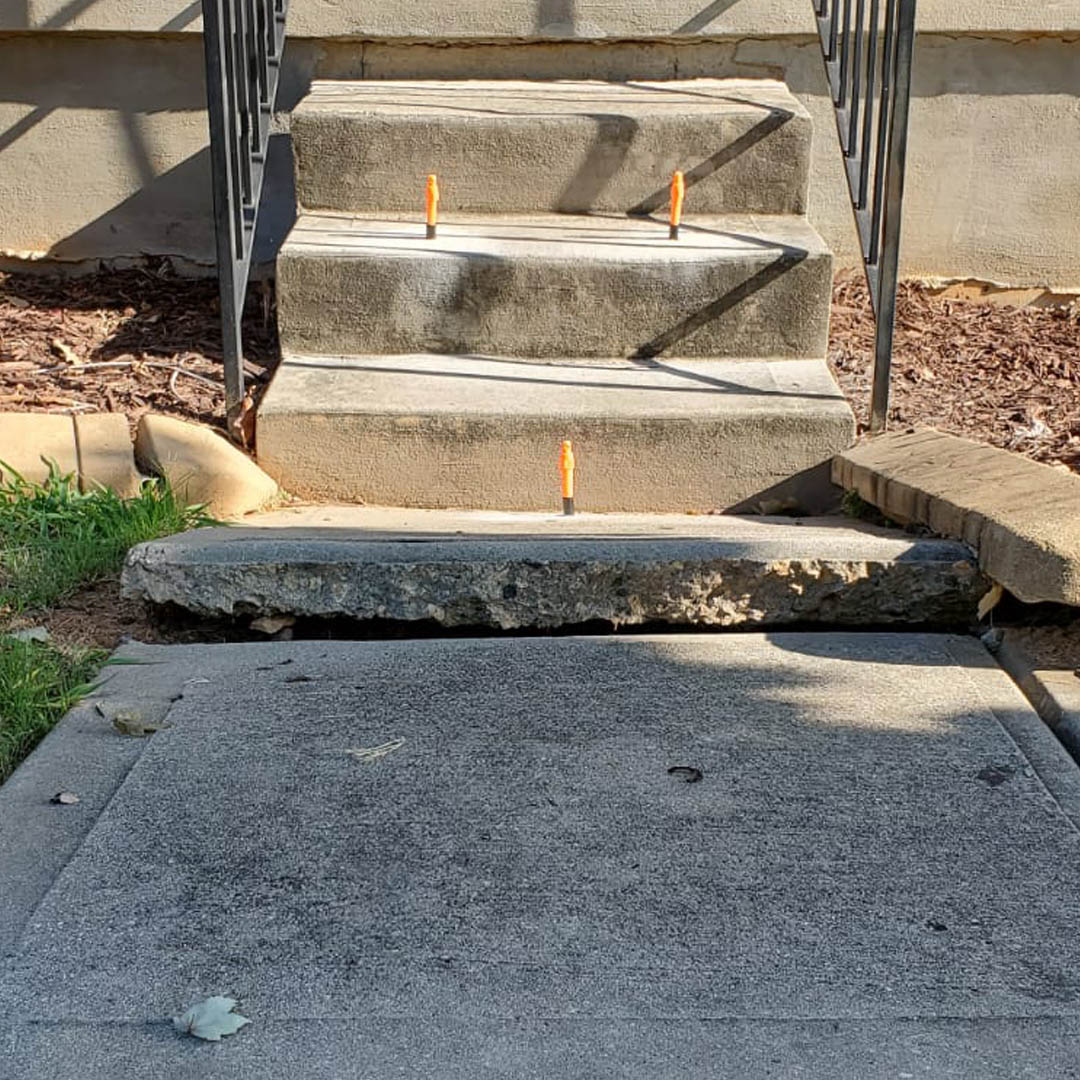
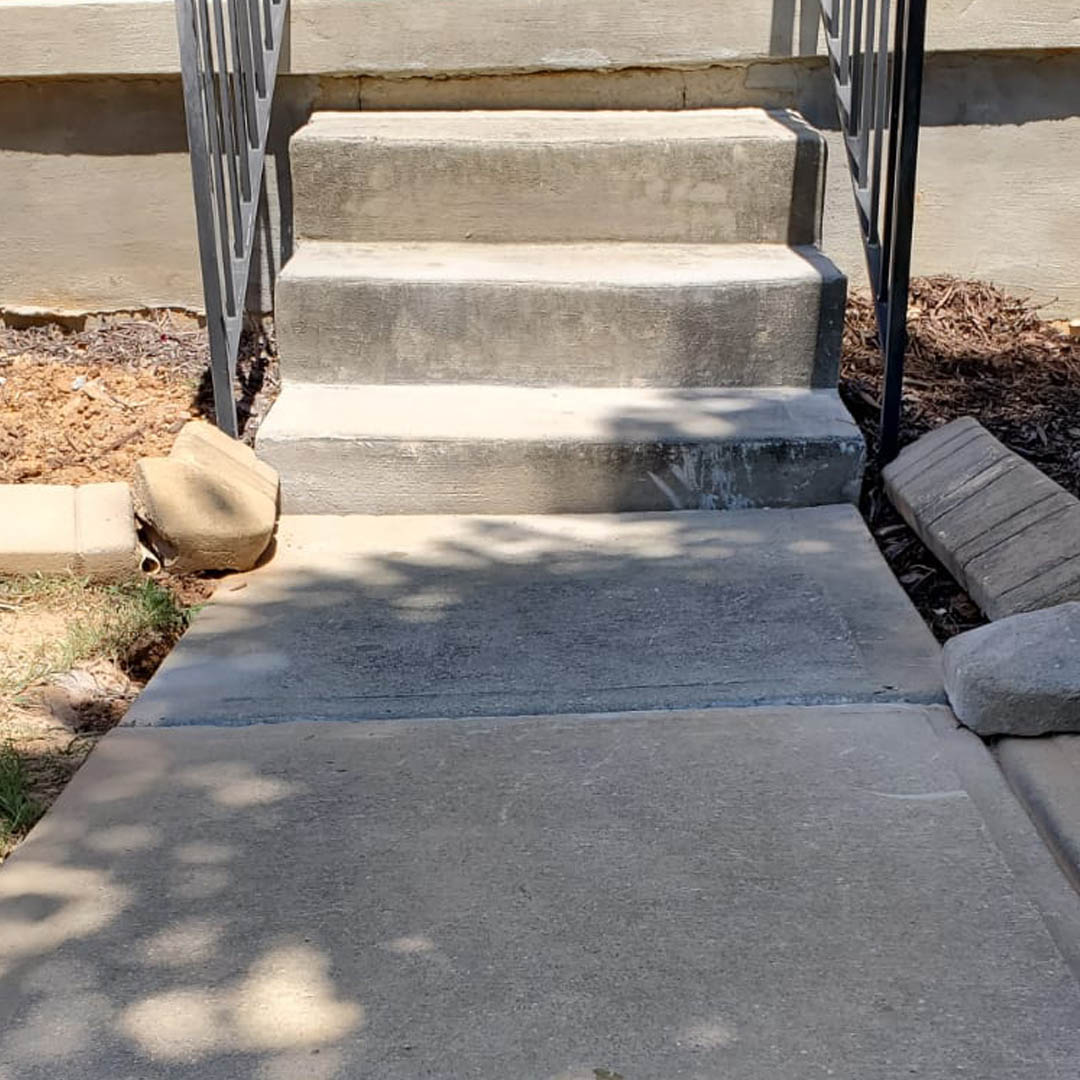


Schedule a Free Estimate
WHERE WE SERVE Providing Expert Concrete Leveling Services Across Florida and Beyond
Expert Concrete Lifting in Florida
We proudly provide professional concrete leveling & repair services throughout Florida. Whether you’ve got a sinking driveway or void under your concrete, our team is here to help with all your concrete needs.

Concrete Raising in Georgia
From residential to commercial concrete lifting, our expert services are available across Georgia. We’re dedicated to restoring and leveling your concrete surfaces with precision and care.

Trusted Concrete Leveling in Texas
We bring top-notch concrete leveling services to communities all over Texas. Our experienced team is ready to tackle projects of any size to keep your concrete safe and stable.

Trusted Concrete Leveling in Tennessee
We now serve Tennessee with fast, reliable concrete leveling. Whether it’s a sunken driveway, uneven sidewalk, or settling patio, our team lifts it right the first time.

Trusted Concrete Leveling in Alabama
We now serve Alabama with fast, reliable concrete leveling. From driveways and sidewalks to patios and pool decks, our team lifts it right the first time.